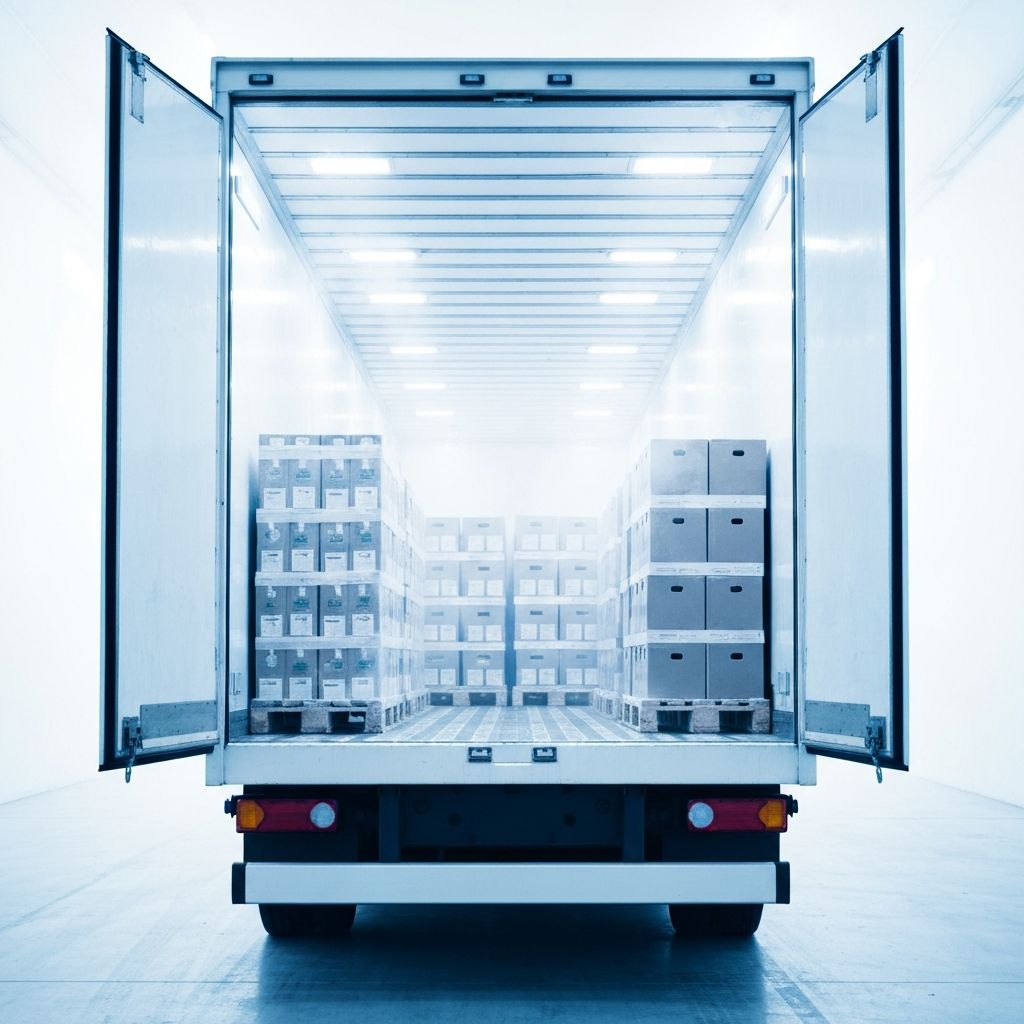
Temperature-sensitive products — from pharmaceuticals to fresh produce — require specialized shipping that maintains precise conditions from origin to destination. This is cold chain logistics, and getting it right is non-negotiable.
What Is Reefer Shipping?
Reefer (refrigerated) shipping uses temperature-controlled trailers, containers, or vehicles to maintain specific temperature ranges during transit. Modern reefer units can maintain temperatures from -30°C to +30°C with precision.
Industries That Rely on Cold Chain
Food and beverage (fresh produce, frozen goods, dairy), Pharmaceuticals (vaccines, biologics, medications), Chemicals (temperature-sensitive compounds), Cosmetics and personal care products, and Floral and horticulture.
Key Components of Cold Chain Logistics
Pre-cooling: Products and trailers must be at the correct temperature before loading. Temperature monitoring: Real-time sensors track conditions throughout transit. Proper packaging: Insulated packaging and gel packs provide additional protection. Documentation: Chain-of-custody records prove temperature compliance.
Compliance and Regulations
In Canada, Health Canada and the CFIA regulate food and pharmaceutical cold chain requirements. Failure to maintain proper temperatures can result in product spoilage, regulatory penalties, and serious health risks. Full traceability is now standard for pharmaceutical shipments.
Choosing the Right Reefer Carrier
Not all carriers handle temperature-sensitive freight equally. Look for carriers with: modern, well-maintained equipment, real-time temperature monitoring and alerts, dedicated reefer divisions with trained drivers, and HACCP certification or equivalent food safety credentials.
TotalShip's Reefer Solutions
TotalShip partners with certified reefer carriers across North America. Through NoviShip, you can quote, book, and track temperature-controlled shipments alongside your regular freight — all from one platform with full temperature compliance documentation.