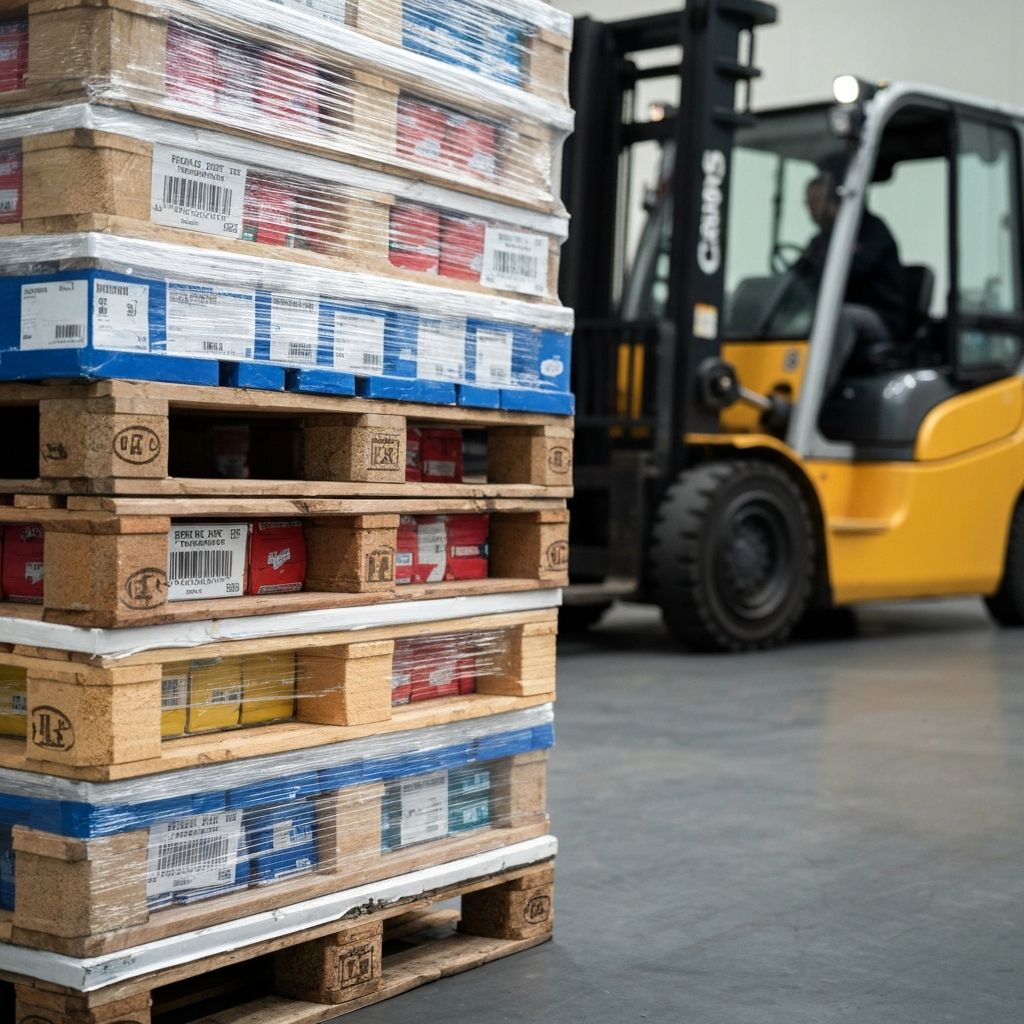
If you ship LTL freight, understanding freight class and NMFC (National Motor Freight Classification) codes is essential. These classifications directly impact your shipping costs and can lead to expensive surprises if mishandled.
What Are NMFC Codes?
The National Motor Freight Traffic Association (NMFTA) assigns NMFC codes to virtually every type of commodity shipped via LTL. Each code corresponds to a freight class ranging from 50 (easiest to ship, lowest cost) to 500 (most difficult, highest cost).
How Freight Class Is Determined
Four factors determine a commodity's freight class: Density (weight per cubic foot), Stowability (how easily it fits with other freight), Handling (any special equipment or care needed), and Liability (value and fragility of the goods).
The 18 Freight Classes
Freight classes range from Class 50 (clean freight like bricks, sand, or nuts/bolts) to Class 500 (low-density, high-value items like gold or ping pong balls). The most common classes for general merchandise fall between 70 and 150.
Why Accurate Classification Matters
Carriers can inspect and reclassify freight at any terminal. If your shipment's actual class is higher than what was declared, you'll face reclassification fees — which can be substantial. Accurate classification upfront saves money and avoids disputes.
Tips to Lower Your Freight Class
Increase density by using smaller packaging. Stack items tightly to reduce cubic footage. Use standard pallets (48x40 inches) for optimal stowability. Shrink-wrap pallets to improve handling characteristics.
How TotalShip Helps
The NoviShip platform includes built-in freight class guidance. Enter your product dimensions and weight, and our system suggests the appropriate NMFC code. This ensures accurate quoting and eliminates reclassification surprises.